- Generative AI Art
- Posts
- Humanoid robots land $112M in factory jobs
Humanoid robots land $112M in factory jobs
PLUS: The first transatlantic surgery, Waymo's freeway expansion, and Musk's 'Terra' chip fab

Gen AI Art
November 16, 2025 • Estimated Reading Time: 8 minutes
In partnership with

Chinese robotics firm UBTech is deploying its humanoid robots into factories, backed by over $112M in new orders. This move signals a significant step from research and development into widespread commercial use.
The deal has already sparked debate, with one rival CEO accusing the company of using CGI in its demo video. With the global race to prove the value of robotic labor heating up, is this the moment humanoid robots finally clock in for real-world work?
Today in AI:
Humanoid robots score $112M in factory deals
Waymo expands robotaxi service to freeways
Elon Musk’s ‘Terra’ chip factory ambition
Voice AI: Get the Proof. Avoid the Hype.
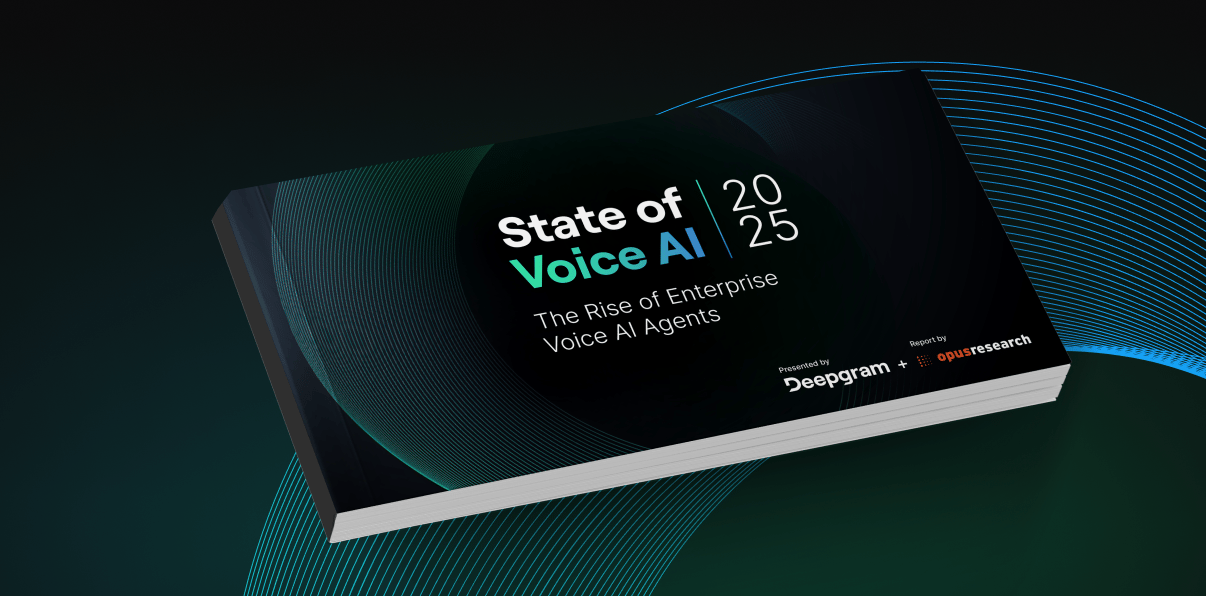
Deepgram interviewed 400 senior leaders on voice AI adoption: 97% already use it, 84% will increase budgets, yet only 21% are very satisfied with legacy agents. See where enterprises deploy human-like voice AI agents - customer service, task automation, order capture. Benchmark your roadmap against $100M peers for 2026 priorities.
What’s new? Chinese robotics company UBTech is deploying its Walker S2 humanoids into factories after securing over $112M in orders, signaling a major shift from R&D to real-world commercial adoption.
What matters?
The deal sees Chinese factories snapping up the models for industrial tasks, marking one of the first large-scale commercial sales for advanced humanoid robots.
The announcement drew skepticism from Figure AI CEO Brett Adcock, who publicly accused the company of using CGI in its promotional video.
Despite the controversy, other robotics experts are contesting the CGI claim, suggesting the impressive video footage of the robot fleet is authentic.
Why it matters?
This deal moves humanoid robots from a futuristic concept toward a practical tool for industrial automation. The significant order size and subsequent industry debate intensifies the global race to prove the real-world value of robotic labor.
GUIDE

What’s new? Waymo's robotaxi service is now expanding to include freeway travel in San Francisco, Los Angeles, and Phoenix. The company announced the move as a major step toward offering quicker and more direct routes for passengers.
What matters?
This expansion directly targets a major pain point for riders by offering more efficient routes and potentially shorter travel times.
Navigating freeways represents a significant technical step for autonomous vehicles, requiring the system to handle high-speed merging and complex lane changes.
Operating across three major metropolitan areas positions Waymo to gather large-scale data on highway driving, accelerating its development ahead of competitors.
Why it matters?
Successfully operating on highways is a crucial test for building public trust in autonomous vehicle technology. This move signals that fully driverless, city-to-city travel is moving closer to becoming a mainstream reality.
PRESENTED BY ROKU
Shoppers are adding to cart for the holidays

Over the next year, Roku predicts that 100% of the streaming audience will see ads. For growth marketers in 2026, CTV will remain an important “safe space” as AI creates widespread disruption in the search and social channels. Plus, easier access to self-serve CTV ad buying tools and targeting options will lead to a surge in locally-targeted streaming campaigns.
Read our guide to find out why growth marketers should make sure CTV is part of their 2026 media mix.
What’s new? Elon Musk announced that Tesla may build its own massive chip factory, dubbed 'Terra', to supply the semiconductors needed for its AI and robotics projects.
What matters?
The move would give Tesla direct control over its chip supply chain, a critical component for its long-term manufacturing and development goals.
This potential factory is a direct response to the immense semiconductor demand from Tesla's rapidly growing AI and robotics initiatives.
Building a ‘gigantic’ factory underscores the sheer scale of Tesla’s ambition to become a fully vertically integrated AI and robotics leader.
Why it matters?
This signals a major strategic pivot, positioning Tesla not just as a consumer of AI hardware but as a foundational producer. By controlling its chip production, Tesla could significantly accelerate its pace of innovation in autonomous driving and humanoid robots.
Everything else in AI
AIDOL face-planted on stage during its much-hyped debut, with the Russian humanoid robot breaking into pieces and underscoring the country's lag in the competitive robotics field.
Circus deployed the world's first in-store autonomous kitchen in a German supermarket, with its CA-1 system handling all cooking, plating, and cleaning to produce up to 120 meals an hour.
iRobot reported a 25% revenue drop in Q3 and warned it has “no sources” of new capital, raising the risk of bankruptcy for the Roomba creator.
Joby completed the first flight of its autonomous VTOL aircraft, accelerating its plans for both commercial passenger service and U.S. military deployment.
Essential AI Guides - Reading List:
Let us know!
What did you think of today's email?Before you go, please give your feedback to help us improve the content for you! |
Work with us
Reach 100k+ engaged Tech Professionals, Engineers, Managers and decision makers. Join brands like MorningBrew, HubSpot, Prezi, Nike, Ahref, Roku, 1440, Superhuman, and others in showcasing your product to our audience. Get in touch now →