- Generative AI Art
- Posts
- Video Remix's Dreamy Watercolor Trick
Video Remix's Dreamy Watercolor Trick
PLUS: ComfyUI's case for why real AI art still takes effort, and OpenAI's ChatGPT learns to interrupt you mid-sentence

Gen AI Art
July 12, 2026 • Estimated Reading Time: 3 minutes
In partnership with

Google just turned Google Photos into a pocket art studio. Its new Video Remix tool can restyle any 10-second clip into a watercolor painting, sketchbook art, or a cinematically relit scene, no editing skills required.
It’s powered by the same Gemini Omni model behind Google’s other creative pushes, and it’s rolling out to AI subscribers across 14 countries starting this week. If casual users start treating “repaint my memories” like a built-in camera filter, does that finally make AI video editing mainstream instead of a novelty?
Today in AI:
Google Photos’ Video Remix repaints your clips into art
ComfyUI’s founder on why AI art still takes real work
OpenAI’s GPT-Live lets ChatGPT interrupt you mid-sentence
Your prompts are leaving out 80% of what you're thinking.
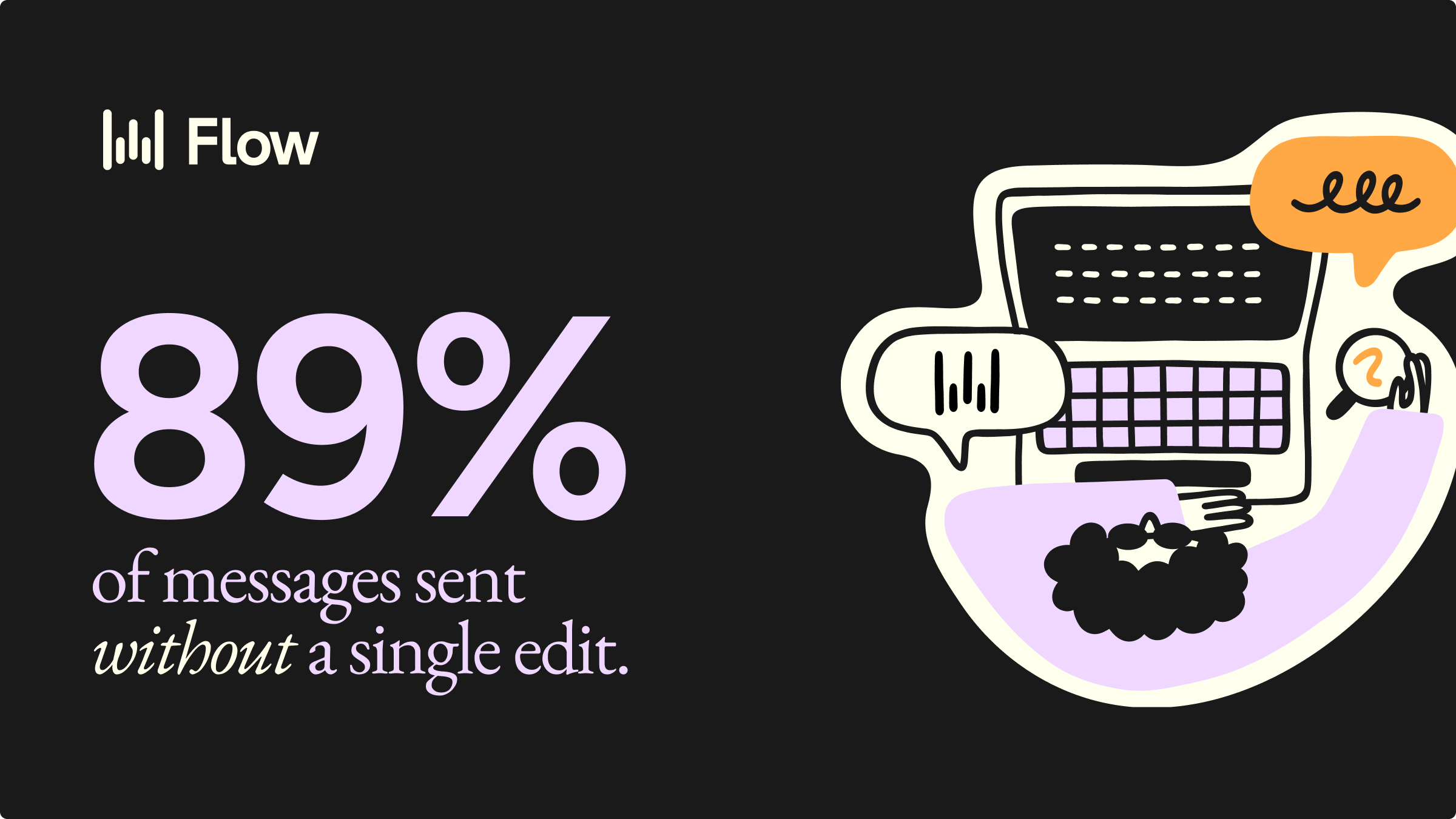
When you type a prompt, you summarize. When you speak one, you explain. Wispr Flow captures your full reasoning — constraints, edge cases, examples, tone — and turns it into clean, structured text you paste into ChatGPT, Claude, or any AI tool. The difference shows up immediately. More context in, fewer follow-ups out.
89% of messages sent with zero edits. Used by teams at OpenAI, Vercel, and Clay. Try Wispr Flow free — works on Mac, Windows, and iPhone.
What’s new? Google Photos rolled out Video Remix, a Gemini Omni-powered tool that restyles a user’s own videos into watercolor paintings, sketchbook art, oil paintings, or relit cinematic scenes using one-tap templates.
What matters?
The new Create tab houses a growing template library, and TechCrunch reports prompts like “paint my video in dreamy watercolor” or “relight my video with a morning glow” handle the transformation automatically.
Clips are capped at 10 seconds, and generation can take up to two minutes, reflecting the compute cost of keeping a restyled video temporally consistent.
The rollout reaches Google AI Plus, Pro, and Ultra subscribers across 14 countries, including the US, Brazil, Japan, and India, one of the widest video-AI rollouts yet.
Why it matters?
Putting an art-restyling tool inside an app billions of people already use puts generative video in front of casual users, not just AI hobbyists. That kind of default placement, more than any benchmark score, tends to decide which creative AI tools actually stick.
GUIDE

What’s new? In a new podcast conversation, ComfyUI co-founder Yannik Marek argued that the gap between lazy, obviously-AI-generated art and genuinely great work comes down to how much control a creator exercises over the open-source, node-based image and video engine.
What matters?
Professional visual-effects studios and film productions already rely on ComfyUI, Marek said — they just don’t advertise it, since poor implementations draw complaints while polished ones go unnoticed.
Building real quality means chaining multiple models, applying masks, inpainting, and fine-tuning with LoRAs, rather than accepting the first output a single prompt returns.
ComfyUI recently opened a public MCP beta, letting AI agents plug directly into its workflow engine to automate parts of that process.
Why it matters?
The debate over whether AI art counts as “real” art often ignores that the same model can produce a lazy result or a crafted one depending on the effort behind it. Tools built for iteration and control, not just prompting, will likely decide which AI-made work earns lasting creative credibility.
SPONSORED BY VIKTOR
Hampton took $440K in planned hires off the calendar

Hampton co-founder Joe Speiser had three roles budgeted: a data engineer, an ops manager, a PM. $440K. He installed Viktor on April 12. Forty-four days later, none are on the calendar, and 18 of his team work with Viktor daily. His VP: we are editors now, not creators.
What’s new? OpenAI introduced GPT-Live, a full-duplex voice model that can listen and speak at the same time, closing the awkward pause between when a user stops talking and ChatGPT starts responding.
What matters?
GPT-Live-1 is becoming the default voice model for Go, Plus, and Pro users, while free users get a lighter GPT-Live-1 mini, across iOS, Android, and ChatGPT.com.
The model can interrupt, pause, and reroute complex questions to GPT-5.5 mid-conversation, opening it up to real-time tutoring, interview prep, and live translation.
Developers can access the underlying gpt-realtime-2.1 model through the API at $32 per million input tokens and $64 per million output tokens.
Why it matters?
Full-duplex voice is a small technical detail with a big feel difference — it’s the gap between talking at an assistant and talking with one. If the interruption handling holds up outside a demo, voice could become a primary way people create with AI instead of an afterthought bolted onto text.
Everything else in AI
Prime Intellect raised a $130 million Series A led by Radical Ventures to build infrastructure for reinforcement learning and agentic model training outside the closed frontier labs.
DoorDash found that pairing Kimi K2.6 with Claude Fable 5 as an AI code reviewer caught roughly two-thirds of real bugs at a fraction of the cost of a single frontier model.
Beijing is weighing restrictions on overseas access to leading Chinese models from ByteDance, Alibaba, and Zhipu AI, mirroring US export controls on frontier AI.
Essential AI Guides - Reading List:
Let us know!
What did you think of today's email?Before you go, please give your feedback to help us improve the content for you! |
Work with us
Reach 100k+ engaged Tech Professionals, Engineers, Managers and decision makers. Join brands like MorningBrew, HubSpot, Prezi, Nike, Ahref, Roku, 1440, Superhuman, and others in showcasing your product to our audience. Get in touch now →